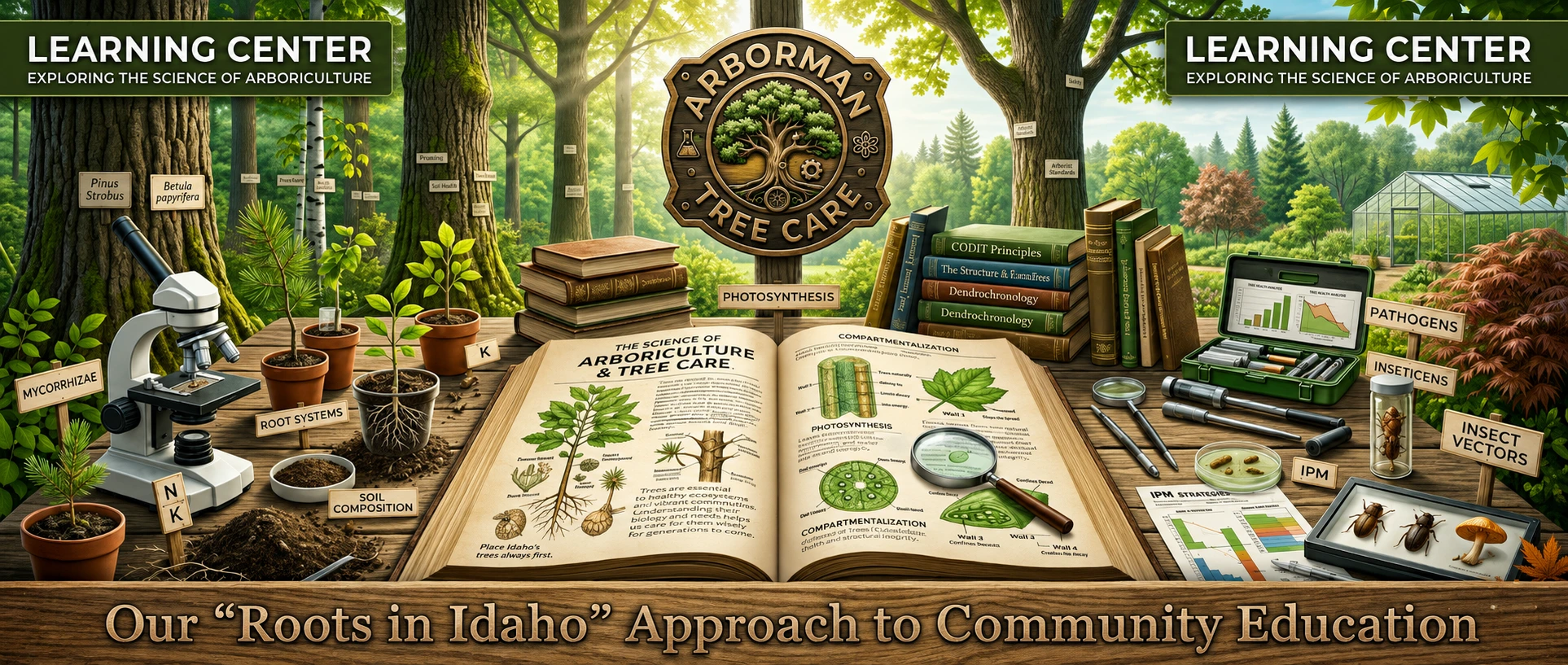
Growing a healthy, resilient urban canopy in the Treasure Valley requires more than just water and sunlight—it requires a localized understanding of our unique high-desert environment.
At the Arborman Tree Care Learning Center, our “Roots in Idaho” philosophy is simple: we believe in empowering local homeowners with the science-backed arboriculture knowledge needed to help their landscapes thrive.
This platform serves as a dedicated, educational resource for residents across Ada and Canyon counties. Here, we bridge the gap between complex plant science and everyday yard care, providing you with seasonal best practices and actionable insights specifically tailored to Southwestern Idaho.
Trees planted in Meridian, Eagle, or Nampa face a very different set of environmental stressors than those in other parts of the country. Our local geography presents distinct biological challenges, from the highly alkaline clay soils of the Snake River Plain to the dramatic daily temperature swings of our steppe climate. Through our specialized articles, we explore how these local geographic factors directly impact plant physiology.
Urban canopy challenges. compacted soils. heat islands. ond water
Alkalline clay soils, hardpan, and poper irrigation for deep root establishment.
High-desert climate wind exposure. and selecting the right trees for long-term success.
Understand alkaline soils. Hardpan and compaction affect root establishment, nutrient uptake and long-term tree health.
Discover deep-root watering strategies. transpiration management and practical irrigation techniques for our dry summer climate.
Learn about pruning timing. winter sunscold, CODIT and the biological processes that influence tree health.
Explore tree species adopted to Southwest Idaho and USDA Hardiness Zones 6b and 7e
Empowering the Treasure Valley Homeowner Our goal is to provide a strictly informative, professional knowledge base that translates advanced arboriculture into practical homeowner education.
Whether you are curious about the vascular tissue function of a newly planted Bur Oak in Caldwell, or you are looking for structural pruning guidelines for an aging shade tree in Boise’s North End, this center is designed for you.
We invite you to explore the articles below to better understand the biological needs of your trees and how to cultivate a sustainable landscape in the place we all call home, and a community our entire family has proudly serviced for over 30+ years.
For additional educational resources, or if you have specific arboriculture questions regarding your property, the Arborman Tree Care Service Desk can be reached at 208.286.6875.
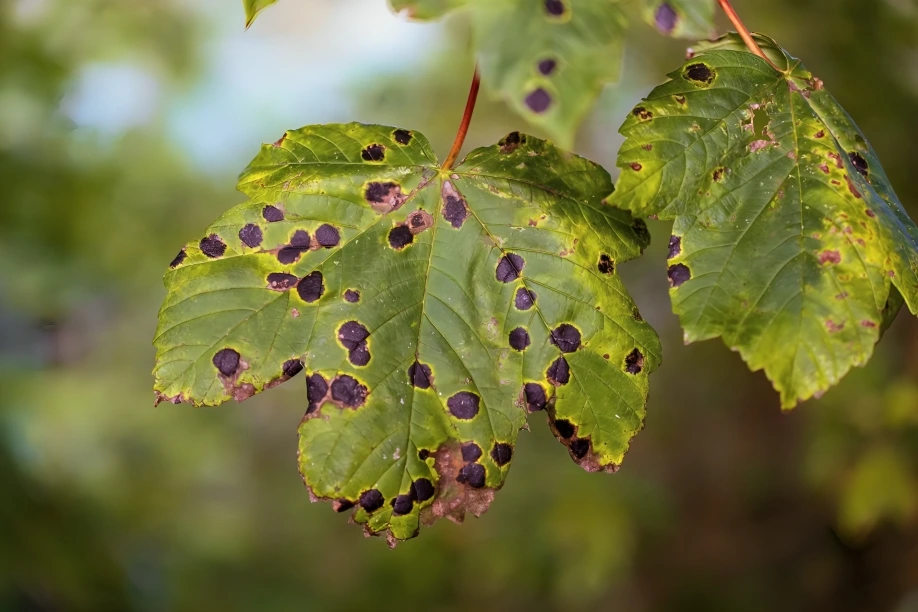
Home Managing Anthracnose in Wet Springs 8. This image provides a textbook example of anthracnose
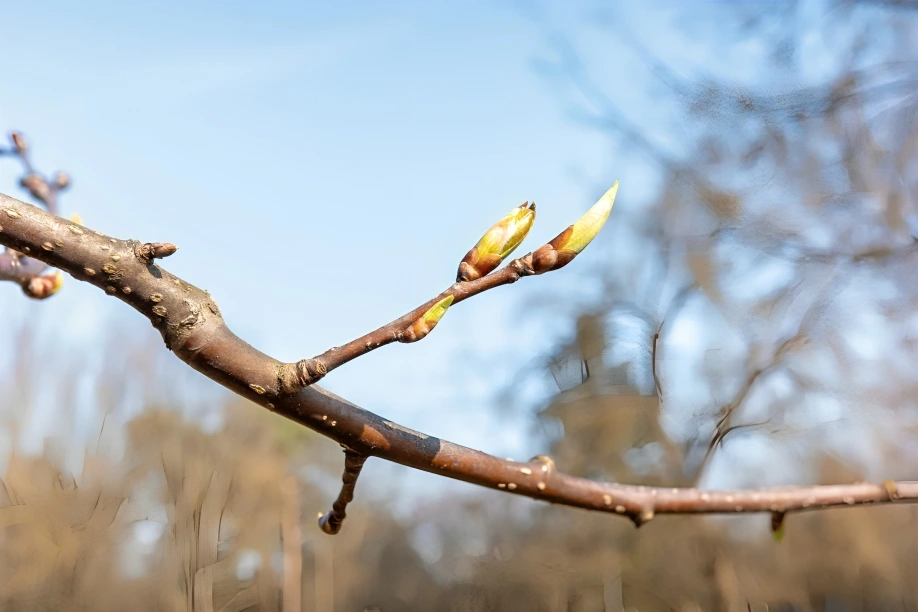
Home Timing Dormant Oil Applications This photograph captures the critical “bud break” window discussed in
Home Thousand Cankers Disease This image shows severe bark and cambium damage from wood-boring pests,
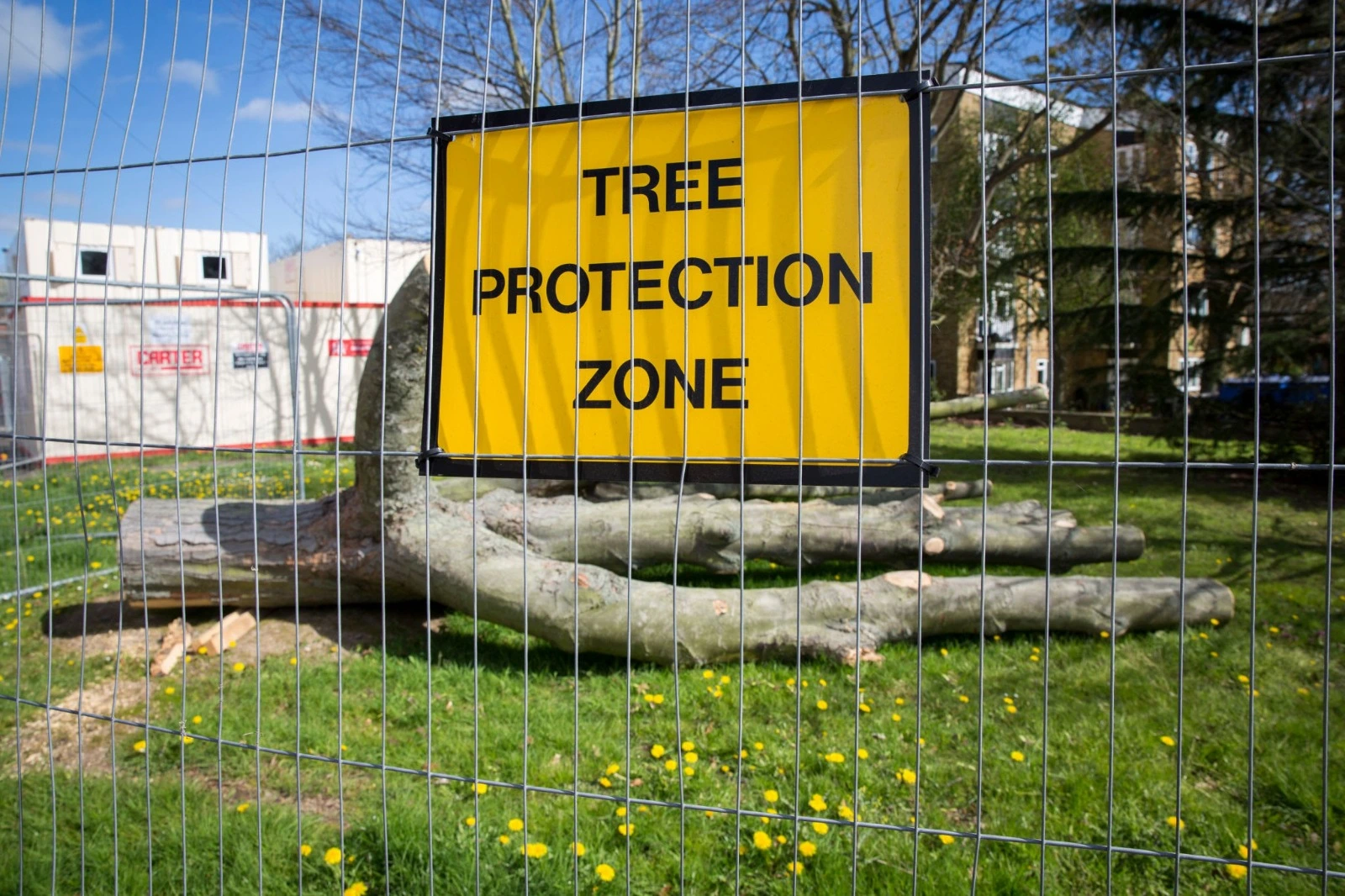
Home Navigating Local Street Tree Regulations 5. This perfectly depicts a classic Right-of-Way (ROW) urban
Home Tackling Treasure Valley Clay Soil This photo reveals the shallow, surface-level roots that often
Home Spider Mites and Aphids This macro shot shows the severe stippling, webbing, and cellular
Home Construction Damage to Tree Roots: How to Protect Your Trees This visual highlights exactly
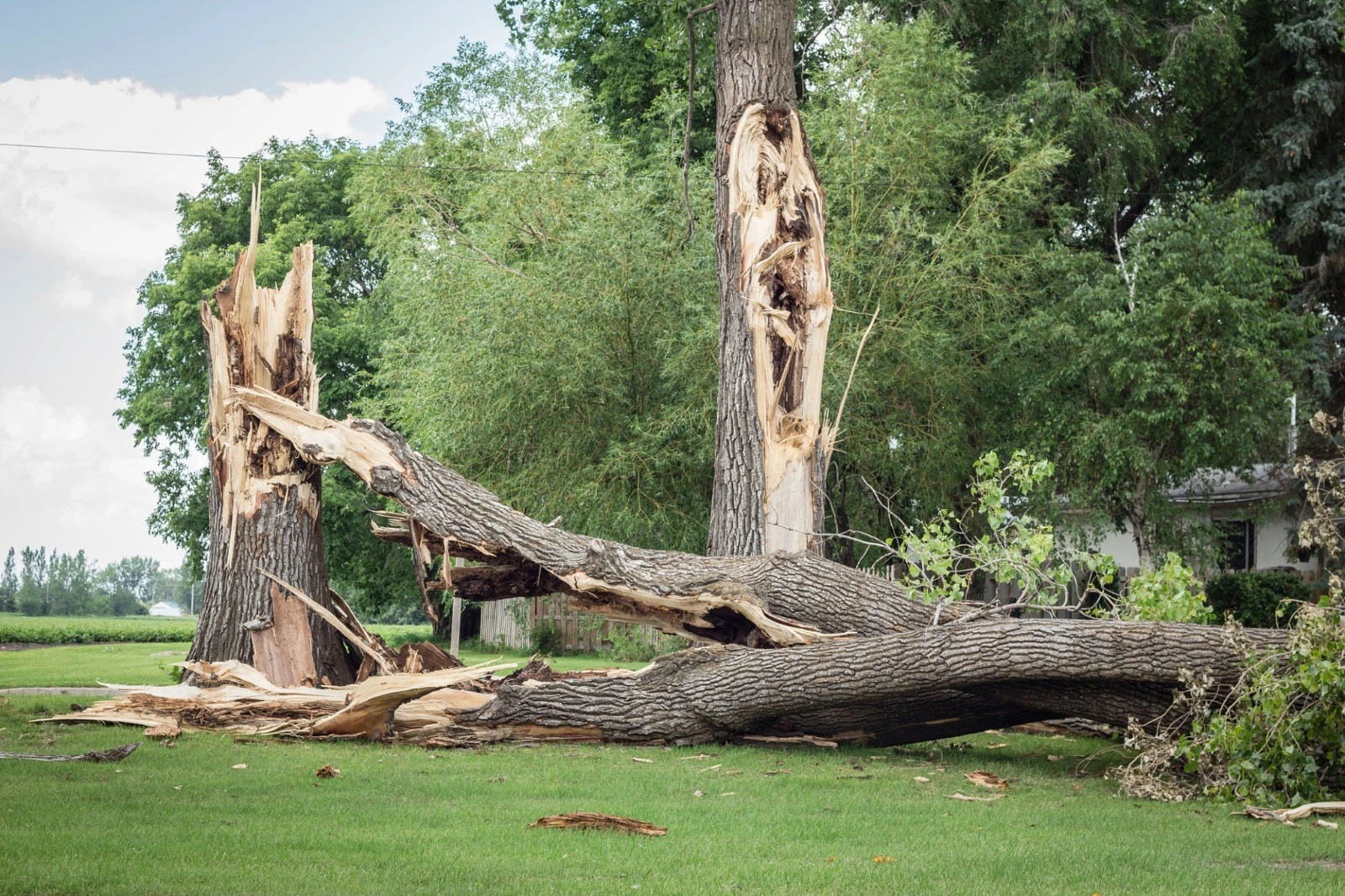
Home Surviving Treasure Valley Wind Storms: How to Protect Your Trees This image clearly illustrates
Home + 208.286.6875 The Science of Mulching in an Arid Climate: Beyond Aesthetics In the
Home + 208.286.6875 Preventing Structural Failure from Heavy Winter Snow Loads Winter storms in the
September 19, 2026
September 19, 2026
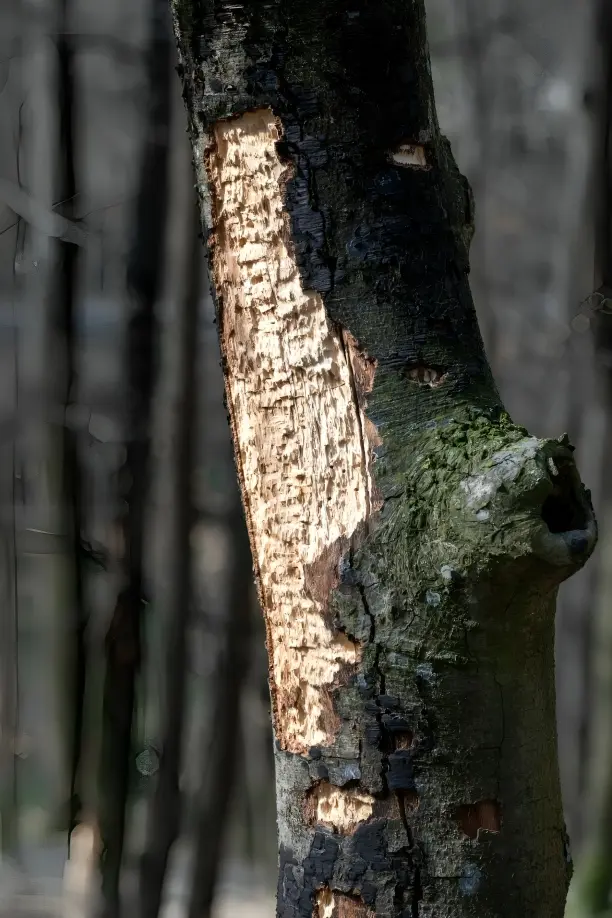
September 17, 2026
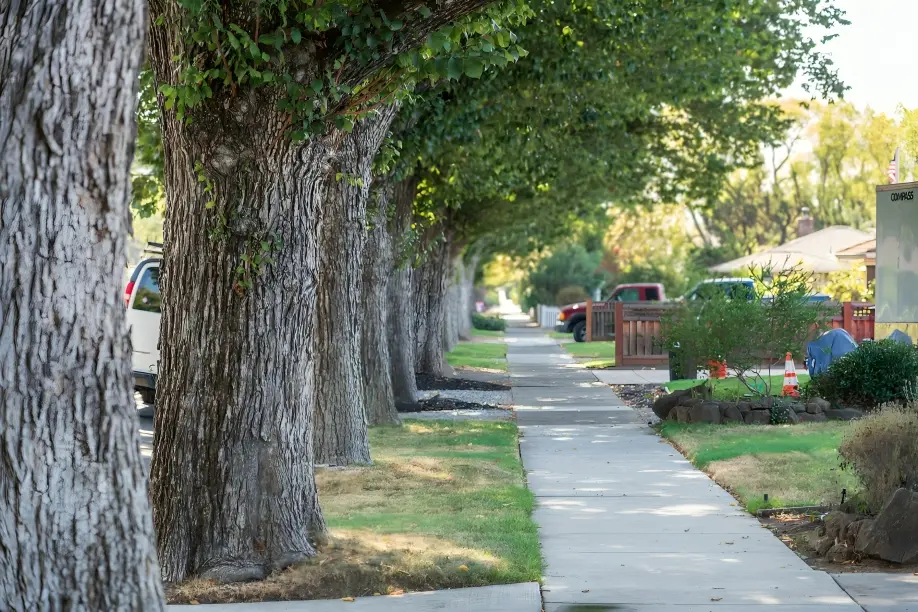
September 17, 2026
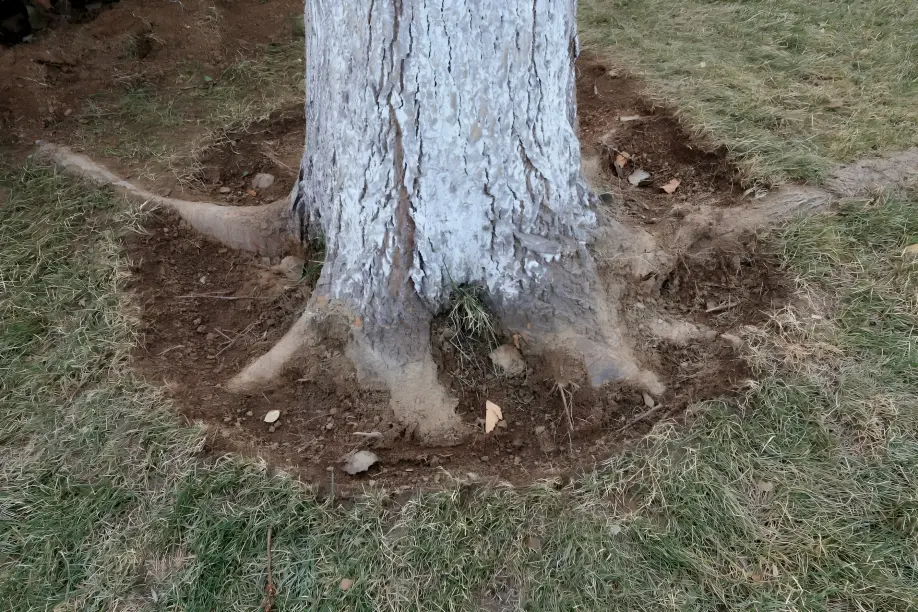
September 17, 2026
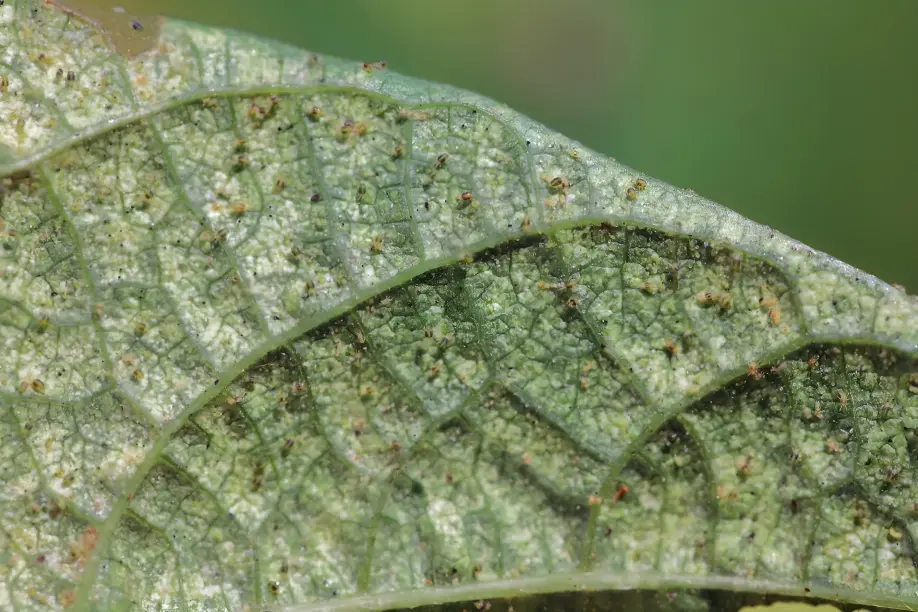
September 17, 2026
August 22, 2026
August 22, 2026
June 14, 2026
June 14, 2026
June 14, 2026
June 14, 2026
You are likely looking at Iron Chlorosis, a very common physiological condition in the Treasure Valley. Chlorophyll (the pigment that makes leaves green and drives photosynthesis) requires iron to form. The issue isn’t that our soil lacks iron; the problem is our alkaline soil chemistry. Across the Snake River Plain—especially in Nampa, Caldwell, and Kuna—our soil pH is exceptionally high, which chemically binds the iron and makes it insoluble. Because lowering the pH of an entire yard is nearly impossible, arborists manage this by bypassing the soil entirely. We use deep-root fertilization or trunk injections to deliver chelated iron directly into the tree’s vascular tissue (the xylem), restoring its ability to effectively photosynthesize.
You have hit Caliche (pronounced kuh-lee-chee), a naturally occurring layer of calcium carbonate hardpan that is notoriously common south of I-84. If you plant a tree directly on top of caliche, it will act like a bathtub—trapping water, drowning the roots, and starving them of oxygen. You must physically break through the caliche layer at the bottom of the planting hole with a digging bar or pickaxe to ensure proper drainage. Additionally, dig the hole at least two to three times wider than the root ball so the tree’s lateral roots can establish outward into the topsoil before hitting the restrictive hardpan below.
Southwestern Idaho is a semi-arid steppe climate. During July and August, trees lose a massive amount of water through their leaves (a process called transpiration). However, running your lawn sprinklers for 15 minutes every day is actually detrimental to mature trees. The heavy clay soils common along the Boise River corridor drain slowly, and shallow, frequent watering encourages trees to grow weak, surface-level roots. Trees require infrequent, deep irrigation. Apply water slowly so it can percolate 12 to 18 inches down into the soil profile. Deep watering a mature tree once every 10 to 14 days during peak summer heat encourages deep root growth and vastly improves the tree’s structural stability.
This is a classic symptom of Fire Blight, a highly contagious and destructive bacterial infection (Erwinia amylovora). It thrives in the wet spring weather of our fruit-growing regions like Emmett, Caldwell, and older Boise neighborhoods. The bacteria enter through blossoms or pruning wounds and rapidly spread through the inner bark, causing branch tips to wilt into a distinct “shepherd’s crook.” Because the bacteria live inside the tree, superficial sprays are ineffective. The infected vascular tissue must be aggressively pruned out during dry weather, cutting at least 8 to 12 inches below the visible damage. Sterilizing your pruning shears with rubbing alcohol between every single cut is an absolute necessity to prevent spreading the pathogen.
This damage is called Winter Sunscald (or Southwest Injury). The Treasure Valley is known for dramatic diurnal temperature swings—sunny winter days followed by freezing nights. The low winter sun heats the southwest side of the trunk, prematurely breaking the dormancy of the cambium layer (the living tissue just beneath the bark). When temperatures plummet at night, the water inside those active cells freezes and expands, rupturing the tissue and splitting the bark. For young trees or species with thin bark in the Boise Foothills or Eagle, wrap the trunk with a light-colored, breathable tree guard in late November, and always remove it in early spring.
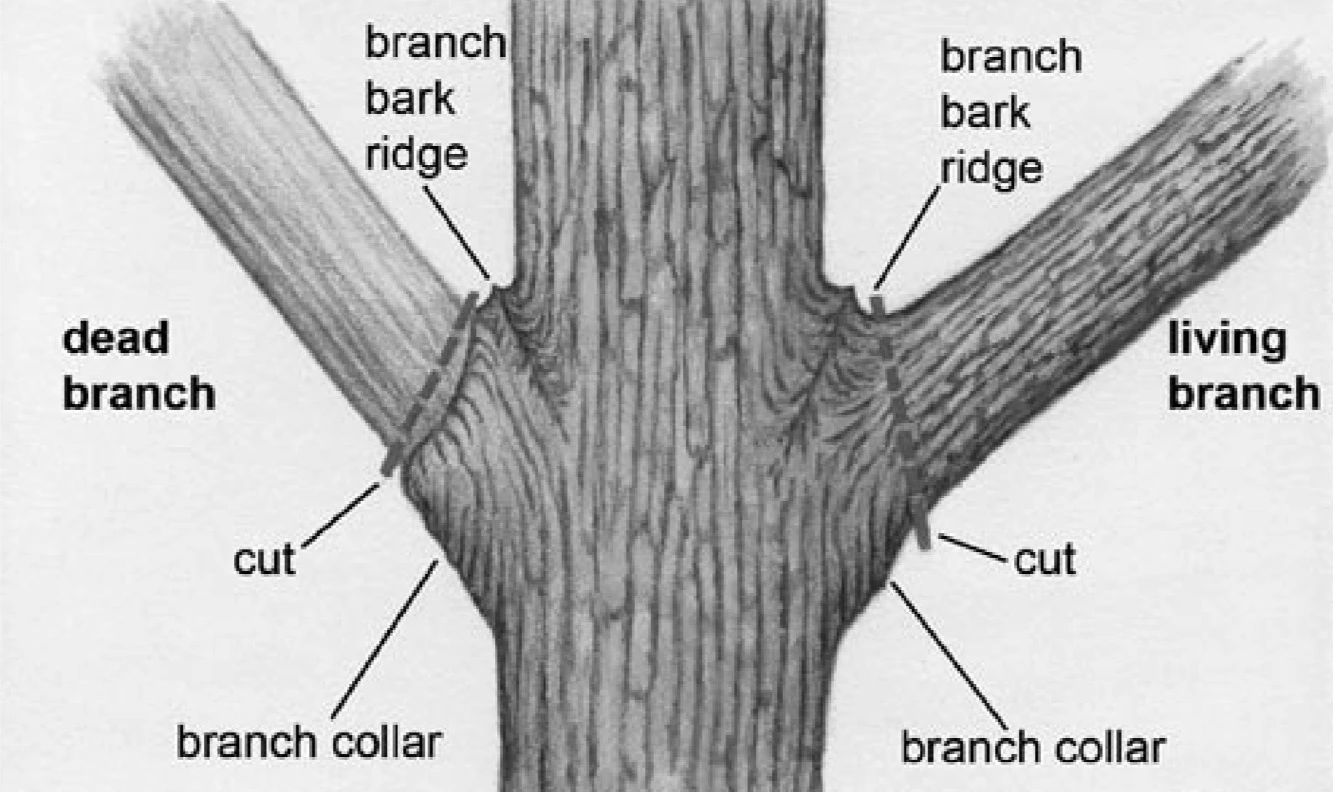
While dead, diseased, or hazardous branches should be removed immediately regardless of the season, structural pruning of deciduous trees should happen in late winter while the tree is dormant. Trees do not “heal” wounds; they seal them through a biological process known as CODIT (Compartmentalization of Decay in Trees). Pruning in late winter allows an arborist to clearly see the canopy architecture. More importantly, it ensures that when the sap begins to flow in the spring, the tree immediately directs its energy into compartmentalizing the pruning cut before airborne fungal spores become active.
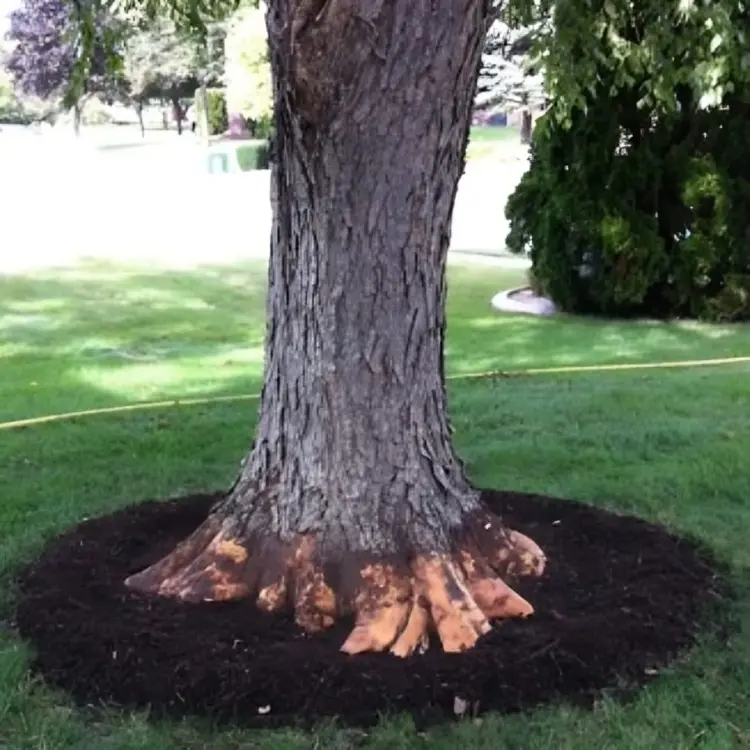
Organic mulch is incredible for retaining moisture and regulating soil temperatures in our Zones 6b/7a climate. Apply a 2- to 4-inch layer of natural wood chips extending out toward the tree’s drip line. However, avoid “volcano mulching”—the practice of piling mulch high up against the tree trunk. A tree trunk has specialized pores called lenticels that are meant to be exposed to the air for gas exchange. Ensure the root flare (the area where the trunk noticeably widens before entering the soil) is completely visible. Burying the trunk in moist mulch causes crown rot and promotes the growth of girdling roots.
Fast emergency response available anytime for emergency tree services.
Fill out the form below and we’ll take care Of the rest.